The Oil and Gas Industry is considered to be the world’s biggest revenue generator. The oil and gas industry is seen as a powerhouse that employs thousands of workers globally while generating billions of dollars each year. As a business operating in the oil and gas industry, we need to stay on top of all Read More ...
In any major business or company, all offered information, discussion of problems, exploring new technologies and work methods, should be taken seriously. Through attending summits, seminars, congresses and other events, you can build business relations and also share information. Upcoming Events in the Oil and Energy Sector 2018: Managing Risks and Costs of Projects 2018: Read More ...
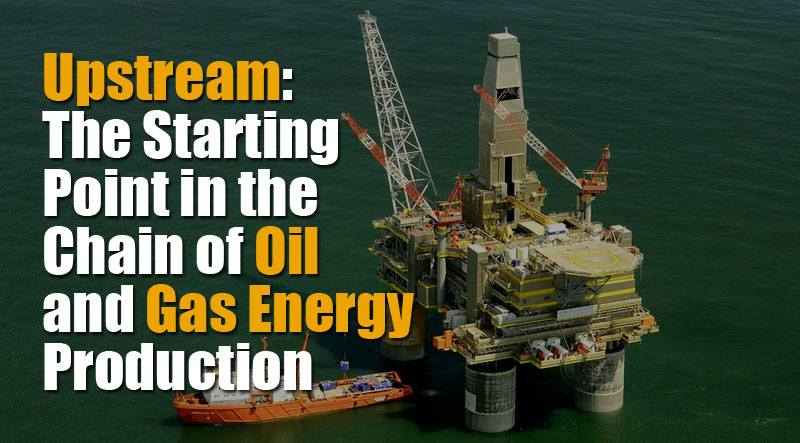
Upstream includes the exploration, for resources, the recovery of these resources, and also the production of natural gas and crude oil. The exploration involves the search for underground and underwater crude oil fields and natural gas fields.
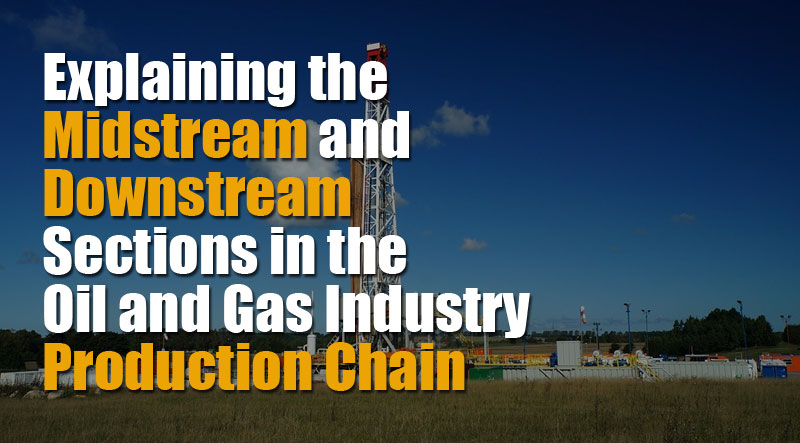
The Midstream sector involves different types of transportation, storage and also the wholesale marketing of the refined products produced from oil and gas. Transportation can take place via pipeline, barge, oil tanker, truck or rail.
The manufacturing, distribution, and selling of the products derived from natural gas and crude oil starts here. The companies delivering these services do not produce the products themselves; they are only using the delivered products to manufacture more products.
With oil demand increasing globally, Canada’s rich oil and gas reserves have made it a thriving source for oil production. The industry is a major contributor to Canada’s economy, providing jobs, export revenues, and energy security. It’s hard to believe that this industry, once perceived as the backbone of the Canadian economy, now faces challenges due to globalization, price volatility, and environmental concerns.
One of the unique aspects of the industry is the vital role it plays in Canada’s energy security. The industry accounts for a significant portion of Canada’s economy, contributing over $120 billion annually, which is about 7% of the country’s GDP. The industry generates direct and indirect employment for over half a million Canadians, including engineers, geoscientists, sales representatives, and truck drivers.
The oil & gas industry in Canada is predominantly located in the western provinces of British Columbia, Alberta, and Saskatchewan. The industry’s major products include crude oil, natural gas, and natural gas liquids, such as propane and butane.
The industry faces diverse challenges in its operations, including uncertain global market conditions, competition from other energy sources, and concerns related to environmental impact. The Canadian government has implemented regulations that are more stringent than in many other oil-producing countries. The regulations have strived to increase transparency and accountability in the industry, reinforce safety measures, and promote environmental sustainability, including cutting emissions.
The industry’s future success also relies heavily on technological advancements that are allowing for more efficient oil extraction while reducing its environmental impact. Some of the recent technological advancements include digitization and automation across upstream, midstream, and downstream operations, as well as the increasing use of renewable energy sources.
However, societal acceptance of the oil and gas industry remains a major challenge. With increased environmental awareness, many people in Canada and globally, are now advocating for cleaner and alternative energy sources. This phenomenon has created unique issues for the industry, including the accelerating divestment from fossil fuels and increased protests against pipeline construction.
In conclusion, Canada’s oil and gas industry faces an exciting and uncertain future. While the country’s abundant reserves give us an economic advantage, the industry’s long-term success relies on responsible extraction and utilization, as well as innovative technological advancements. Increased acceptance from society and global stakeholders is also necessary. Oil and gas remain integral to the economic health of the world, and the industry’s survival is critical to the global community’s energy needs.
The oil and gas industry in Canada is one of the biggest contributors to the country’s economy. It has been the foundation of Canada’s prosperity for years, creating employment and generating revenue for the government. However, the industry is facing significant challenges that threaten its future, such as environmental concerns, regulatory changes, and the global shift toward renewable energy sources. In this article, we will explore how the oil and gas industry in Canada can overcome these challenges and maintain its position as a crucial player in the country’s economy.
Firstly, let us consider the impact of environmental concerns on the industry. The oil and gas industry has long been associated with pollution, greenhouse gas emission, and other environmental issues. As the world becomes more conscious of the impact of fossil fuels on the environment, there is a growing demand for cleaner energy alternatives. This shift towards renewable energy sources poses a significant challenge to the oil and gas industry in Canada. However, the industry can take proactive steps to mitigate its environmental impact by investing in clean technology and green innovation. For instance, there have been significant strides in carbon capture and storage technology, which can help the industry reduce its carbon footprint.
Secondly, regulatory changes have also been a significant challenge to the oil and gas industry in Canada. The government has been introducing regulations that seek to reduce the industry’s impact on the environment, such as the carbon pricing policy. While these regulations can be seen as a hindrance to the industry’s growth, they can also be an opportunity for the industry to adapt and innovate. For example, companies can explore ways to reduce their greenhouse gas emissions, such as investing in renewable energy sources, which could lead to cost savings in the long run.
Lastly, the global shift towards renewable energy sources is also a significant challenge to the oil and gas industry in Canada. With countries around the world embracing renewable energy sources, the demand for oil and gas is likely to decline. However, this shift can also be an opportunity for the industry to diversify its portfolio and invest in renewable energy sources. For instance, companies can explore opportunities in wind, solar, and hydroelectric power, which could help them remain competitive in the energy market.
In conclusion, the oil and gas industry in Canada faces significant challenges that threaten its future. However, with proactive steps such as investing in clean technology and green innovation, adhering to regulatory changes, and diversifying its portfolio, the industry can adapt and maintain its position as a crucial player in the country’s economy. While the transition to renewable energy sources is likely to take time, the industry can play a significant role in this transition by investing in renewable energy sources and exploring new opportunities in the energy market.
Oil refining is the process of converting crude oil into more useful products. It includes a variety of steps including separation, distillation, catalytic cracking, and much more. Refining is an important part of converting crude oil into fuels, lubricants, and other useful products.
The first step in oil refining is separation. This involves separating the different components of crude oil. The process uses gravity and centrifugal force to separate the heavier or lighter components. The lighter components, such as gasoline and diesel, are then sent to a distillation unit while the heavier components, such as tar, waxes, and asphalt, are sent to a residue processing unit.
The distillation unit is the next step in the oil refining process. In this unit, the different components of the crude oil are separated by heating the crude oil and allowing the different components to evaporate at different temperatures. The evaporated components are then condensed in a condenser and collected. The lighter components, such as gasoline and diesel, are collected at the top, while the heavier components are collected at the bottom.
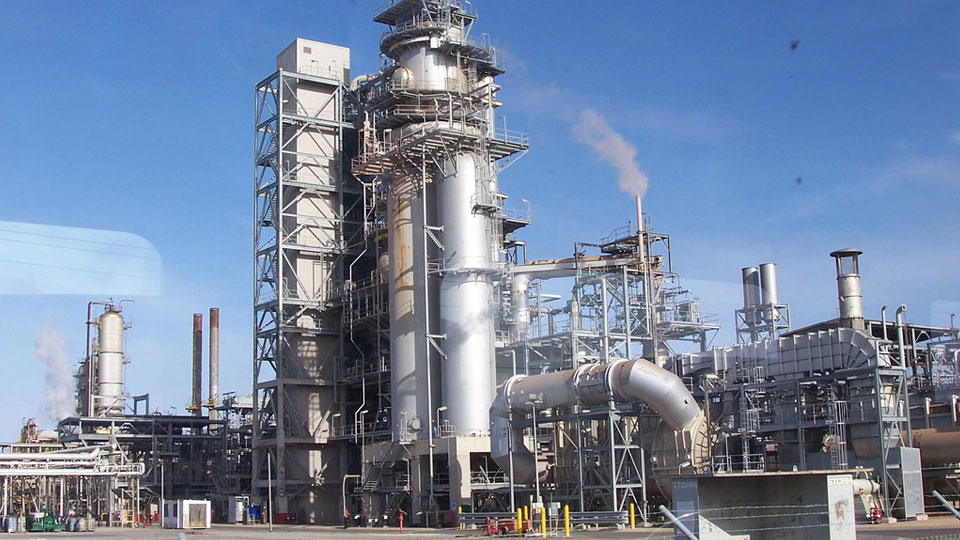
Oil refinery
The next step in the process is catalytic cracking. This process involves breaking down large molecules of crude oil into smaller molecules. The smaller molecules are then used to make different products such as gasoline, diesel, and other fuels. The process of catalytic cracking is done in a catalytic reactor where a catalyst is used to break down the molecules.
The last step in the refining process is product blending. This involves combining the different components that were separated in the distillation unit and blending them together to make different products. For example, gasoline and diesel can be blended together to make different types of fuel. This step is important because it allows for the production of different types of fuel that are suitable for different types of engines.
Oil refining is an important part of the oil industry, as it allows for the production of different types of fuel and other products from crude oil. The process involves a variety of steps from separation to product blending, and each step is important for the production of the final product. Without oil refining, the production of fuel and other products would be much more difficult and expensive.
Irrespective of many people freely utilizing either meter proving or meter testing, the differences are wide and here are some of these.
Meter Proving is a easy testing that confirms the function of a meter Each meter is different nonetheless, as a result anytime meter proving is done one can possibly expect varied outcomes while employing various techniques of assessment.. For example, a gas meter prover checks the consistency for gas meters.. Meter Proving ideally relies on the validation or meter factor prover, which could be the value employed verifying the contrast amongst the meter’s outcomes with a pre-calculated range..
First meter proving where an expert evaluates the accuracy and reliability of the meter. where the data files was gathered from the meter proving professional, he/she then analyzes that data to national meteorology data extensively obtainable through institutions such as the National Institute for Standards and technologies. Proving meters of hydrocarbon is widespread amongst pipelines. More widespread than not provers have data available from meter station operators to do a comparison of their data outcomes with.
Although meter testing has been in existence for longer than 100 years the exact standard exists at present as it did various years ago. This makes testing from this method is vulnerable to lots of different adaptations and insecurities.
Gas provers verify gas meters and they are probably the most prevalent.Provers are generally utilised in gas meter repair companies, city and county gas meter service centers, and public works sites. Provers work by passing a known quantity of air through a meter whereas tracking the gas meters record, index, or internal displacement. The prover subsequently presents a proof, a value stated as a percent which compares the volume of air passed with the volume of air gauged to establish the meters reliability.
A bell prover has two levels, one inside tank enclosed by yet another outside shell. A space among the tank that is inner exterior shell is loaded with a sealing fluid, normally oil. An upside-down container, also known as the bell, is inserted over the inner tank. The liquid can there be to behave as a airtight seal for testing. Bell provers are oftentimes counter-weighted to offer positive pressure level through a hose and valve affixed to a meter. We very often see casters that are on the bell that allows soft linear motion without having threat of ruining the stress developed by the bell seal moving.
Mistakes in proving by operators is actually common and needs to be regarded and readjusted. One nonuniformity above all others is the most common and that is whenever provers encounter temperature discrepancies amongst the bell meter and the connecting hose pipes employed by the prover. hardware, human, insecure pipes and joints, are things that can possibly also be responsible for inconsistencies.
Over the year technologies has advanced quite a lot and now, with the advent of PLCs (Programmable Logic Controllers), repair shops can automate the bell proving function. Rather than manually raising and lowering the bell prover, solenoid valves attached to a PLC controls air flows through the meter. Temperature, pressure, and moisture sensors may perhaps be applied to supply data in to an automatic bell PLC, and measurements for meter proofs could possibly be managed by a computer or electronic device programmed for this purpose. Since the 90s, computers and PAC (Programmable Automated Controls) are now utilized. Eventually they add more digital sensors that would allow for further automation and decreasing further the need for humans in the testing function.
So there you have it, this is the way meter testing is done and the intricacies of the work required by meter provers in both the field and inside computerized devices.
The emergence of the energy service provider in the eighties has been a spontaneous climb up as it pertains to demand. An energy service company (ESCO) are firms that offers a wide number of energy services like designs and implementation of energy cost savings jobs, retrofitting, energy conservation, energy infrastructure freelancing, power generation and energy supply, and risk assessment. An ESCO is a company that provides broad energy solutions to its clients, such as auditing, redesigning and developing changes to the ways the customer utilizes energy, the primary aim being enhanced efficiency.
The energy service company presently is in continuous flux and forever evolving with new energy service being delivered as the industry develops post COVID-19. Improvements in technologies have added to the industry’s progress as a whole.
It is relatively obscure outside the sector but energy prices and efficiency can be elevated and truth be told that is the central mission for just about any energy providers company. In the 90’s with deregulation we watched the rise of energy service companies then activities slowed during the Obama administration we saw reversals of regulations only to again be deregulated by the current President Donald Trump. Now they’re popular amongst many organizations such as municipalities, school districts, industrial projects and commercial markets.
In 2006 the sector group NAESCO documented energy service companies expanded by 22% and boasted $2.6 billion in revenue marking a paramount moment for energy services companies all over the United States. In Canada the popularity of the energy service company also grew exponentially primarily in the oil full province of Alberta.
There’s quite a few options of energy service providers which include but not limited to: meter testing and proving, fuel flare venting, sampling and analysis, shutdowns and turnarounds, industrial clean-up and lots of other energy services. Honestly we could go on for hours about the specific list of solutions energy service companies offer up.
Consulting and negotiating energy rates is yet another in-demand service as energy management providers have now been appearing throughout North America to fill the demand for cheap prices. Contrary to popular belief energy costs are in truth negotiable and it is energy consulting firms that can help companies see more affordable energy rates. The very first action any energy management firm will undertake is a complete and wide-ranging energy audit in an effort to recognize a starting base line. Developing a documented starting position after a company carries out its energy analysis is vital. The pluses of operating closely with top company directors is that when a judgment must be made its made immediately. That is why energy consultants work along side and report to, business managers. The importance of the working relationship amongst the energy consultant and the organizations officers cannot be downplayed given throughout any energy audit it’s imperative to have management readily available.
Of the plethora of different solutions available, some may include shutdown services, new plant fabrication, fuel flare venting, well services and chemical cleansing to name a few. For the first half of 2020 the world was brought to its knees by a pandemic. The virus has and will forever change the way we do company.
Chief Operating Officer of Sunstar Energy Services Carey Rewerts had this to say…
“Although it is correct that we’re observing a vital change inside of the energy sector after coronavirus, we’re also experiencing the intro of new technology and protocols of how we conduct ourselves while working. Energy service providers is absolutely taking a hit while that being said will re emerge more robust than ever.”
Energy services companies are fundamentally different from consulting engineers and equipment contractors: the former are ordinarily rewarded for their recommendations, whilst the latter are paid for the related equipment, and neither of them accept any work risk.
Energy service professionals understand the complexity of observing government and other regulative recommendations to ensure they can create efficiency, compliancy and cost savings, for no matter what organization they are employed with. The underlying target for anyone in the energy services company will be to attempt to save their clients, in some form or another, with lower energy costs. Now this could mean just making present systems more economical.
Marketing in 2021 post-COVID will also play a pinnacle role in the successes, or failures, of many energy services companies. While there are a large number of ESCOs that are advancing technically in the field, when it comes to online marketing they’re largely ignorant. What do I mean by that? Well for example many of these companies have no clue that Google automatically lists their business inside the world’s large directory called GMB (Google My Business). The problem is that they do it without any authorization from the actual business owner and leave it up to them to claim their own business ownership. Why is that a problem? Simple. A competitor, or anyone for that matter, could claim ownership and make life difficult for the business by responding harshly to reviews left. One company that prides itself in helping with energy marketing is ESM (Energy Services Marketing) a company based in Niagara Falls, Canada.
You’ve more than likely observed that utility organizations have, for sometime now, been bundling service. That’s the evolution of these energy utility providers we earlier talked about. In Canada we frequently see energy providers merging with government so they may further increase their reach with customers such as the primary gas company in Canada named Enbridge, Enbridge has worked diligently to increase their service providers and products to capture even more of the energy consumer market. Fundamentally as this transpires, energy providers grow to be energy service organizations offering a extensive selection of solutions as opposed to concentrating on just supplying it.
So I know what you are thinking. Doesn’t this make energy service providers firms go the way of the dinosaur? Nope. Think of this like the battle of the Titans whereas the big utility providers are the ones who will fight it out for the energy consumer dough. There are a lot of solutions encompassed by the term energy service providers company. Many, if not most, all are tied to laborers working with industrial service providers like those in the oilfields. That being said we hope that 2021 brings much success to the energy sector and we can look back at 2020 as a year of lessons.
For more on energy management consulting visit QuotEnergy!
Meter proving is when a prover tests and verifies the accuracy of a meter irrespective of whether computerized , also known as SMART technology, or analog. When we talk about meter proving there are plenty of elements and the data files can vary on a whim depending on the particular meter and method of testing. Basically, it’s a gas meter prover for gas meters. Many meter provers will confirm their readings against a preset array as defined in the guides..
Meter proving and meter testing are different. Here’s why.
For starters meter proving happens where a specialist measures the accuracy and reliability of the meter itself. Meter proving in Kindersley is carried out by checking the service meter against a certified prover (dynamic or tank prover, master meter) which is trackable to a national meteorology institute similar to NIST. Among the the majority of popular types of proving is for liquid hydrocarbon and this is frequently the case in pipelines transporting the gas. Exclusive prover connections are necessary for the metering station that will allow parallel measurement of the liquid in the two devices.
Though meter testing has been available more than 100 years the unchanging standard prevails presently as it did in the past. This makes testing through this method is predisposed to lots of different variants and insecurities.
A gas meter prover is a unit that verifies the precision of a gas meter. Municipal and public works are certainly the many widespread employers of meter provers.The responsibility of a meter prover is almost always to basically move a specified amount of air through the meter and checking that with the meter’s own register. When that is done the prover (meter) then takes the data he/she captured in the per cent of air directed to that of the value showed on the meter’s own.
Image courtesy of Harvest
A bell prover has two levels, one inside tank enclosed by yet another external shell. There are two tiers and while the outside layer is typically filled up with oil, the internal layer is known as the bell. The fluid can possibly there be to behave as an air-tight seal for testing. Bell provers are typically counter-weighted to give pressure level that is positive to a line and valve fastened to a meter. We often see wheels on the bell that makes it possible for soft linear movement devoid of risk of jeopardizing the pressure developed by the bell seal moving.
Errors in proving by operators is believe it or not common and must certainly be regarded and adapted. Temperature inconsistencies between the bell air, meter and linking hose pipes could account for many meter proof errors. hardware, human, loose pipes and connections, are Each things that can also be the culprit for inconsistencies.
As we earlier exhibited, each gas type features its own way of meter testing. Natural gas for instance involves a couple of visual inspections just before the PACs are utilized. There are a plethora of other testing methods outside the scope of this article. There are times, orifice meters are transported off-site for confirmation to primary reference devices in laboratory-type facilities, but this testing is pricey and seldom able to duplicate the field factors that affect meter accuracy.
Even climate variations like in the case of meter proving in Drayton Valley, can dramatically affect the results.
The natural advancements of the computerized bell and PAC controls guided itself to the the application of vacuum driven provers with arrays of sonic nozzles (employing choked flow to provide precise flow rates. This also not only is an advancement in full automation but also savings as it eliminates the need for a bell given testing is done through nozzles and pipes. Testers using vacuum to verify flow rates will apply the Bernoulli’s principle. Computers and PAC components automate the function, and the majority of sonic nozzle provers are capable of displaying not only meter proofs to a user, but are also capable of transmitting proofs as well as some other important data to database systems across a computer network.
This article was written with insights from Harvest Oilfield Services, a company specializing in boilers in Whitecourt, Canada.
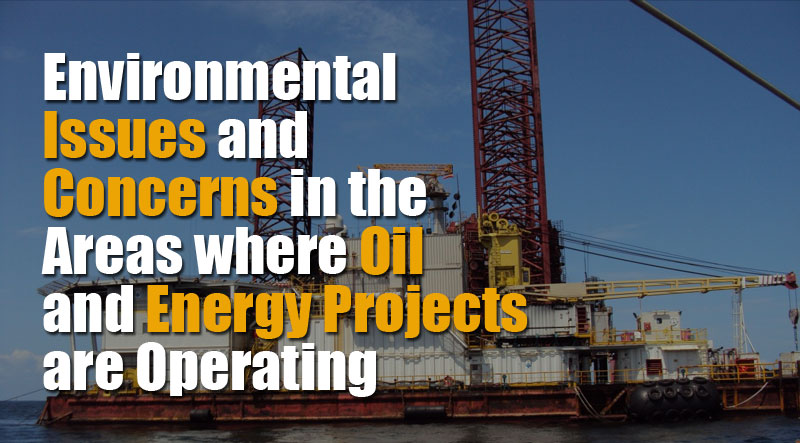
The potential impact of the activities around an Oil and Gas Production site can be significant. The impact will depend on factors like the amount of earth disturbed by the drilling of wells. The size and number of wells drilled can also have a major effect. The area of land occupied by the operations facilities and the time that the oil and gas project was working the site will have a direct effect on the wildlife and plant life.
Environmental Influences of:
Exploration, surveys, testing and exploratory drilling:
Noise; primary sources would be the noise that earth-moving vehicles make, seismic surveys, drill rig operations and blasting.
Air Quality; emissions of dust thrown up by the earth moving equipment, other vehicles, and surveys will have an influence on the air quality. Drill rig exhaust will not only affect the quality but also the smell of the air. Emissions during this phase will not have a big influence on climate change. The impact will depend on the duration, amount and location of the work.
Cultural Resources; that are buried are unlikely to be hindered. Resources on the surface might be disturbed by traffic and ground clearing, etc.
Ecological Resources; will be affected minimally during exploration. Wildlife might be disturbed by seismic surveys. Surveys done during this time will help developers in placing the site and facilities of the project in a way that will cause a minimum of impact on the surroundings.
Drilling and Development:
Waste and Hazardous Material Management; industrial and solid waste will be generated during the development phase. Mostly this will not be hazardous. The waste would likely be taken off-site to be disposed of.
Drilling waste; is another matter because it will include hydraulic fluids, used oil, spilled fuel and much more. Adverse effects can occur if this hazardous waste is not managed and handled properly.
Health and Safety; drilling and development do have the risk of serious accidents happening and also injuries that are associated with oil and gas production operations.
Water Resources; water quality can degrade because of the increase of sedimentation, salinity, spills, etc. Water depletion can also become a problem. During drilling, water is used to keep dust under control, making concrete mixes, and in the drilling wells. Drilling activities can also affect the flow of surface water.
There are lots of factors that can have an influence where an oil and gas project is underway. However, these Energy sector companies have strict methods and processes to keep the influence they have on the environment and surrounding communities. In certain ways they can also have a positive influence in the community, increasing revenue and helping to better the economy.
The Midstream sector of the oil and gas industry is primarily about the transportation of the crude and raw products from where the site where they are extracted to the refineries. Midstream is sometimes paired together with either the Upstream or Downstream sectors.
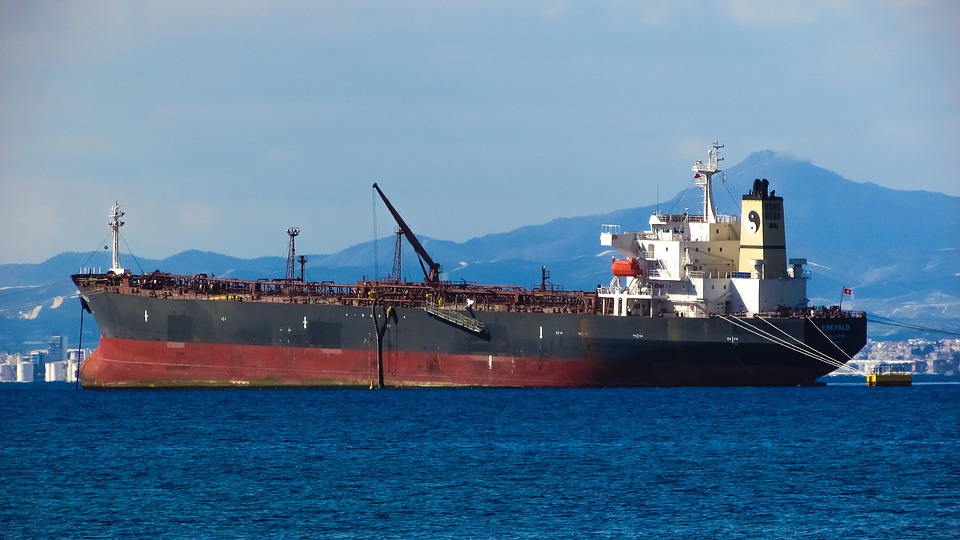
The transportation of natural gas and raw oil is a process that is highly technical. It involves the compression of fluids. In order to be able to transport the fluids from drilling sites, it needs to be under necessary pressures. Transportation can be via pipelines and in tankers.
Midstream Sector Responsibilities:
Tanker Sea Commercial Oil Ship Nautical Vessel
Transportation from drilling sites: The transportation of natural gas and raw oil products, via pipeline or tanker.
Treating raw materials: Removing all impurities such as hydrogen sulphide of water vapour.
By removing the impurities and compressing the fluid helps to maximize the amounts that can be transported and therefore also the efficiency and profits of companies. This is a very important aspect in the oil and gas sector of the industry.
Once the oil and natural gas have been transported through the midstream section, there are some more processes and transformation it must undergo before it can be sold.
Downstream at the refinery:
Final Processing: The crude oil is processed into finished products, for instance, lubricants, synthetic rubber, fertilizers, plastics, asphalt, pesticides, heating oil, and pharmaceuticals. This is also where crude oil is converted into forms that are usable in everyday life, like, gasoline, jet fuel, diesel, propane and even antifreeze.
Distribution of the final product: Distributing the products to their final destination in the market.
Marketing: Downstream is also the place where companies and customers meet and where supply meets demand. To make sure everyone knows what products are carried and available, marketing these products comes into play.
Retail outlets like gas stations, is part of the downstream section. The efficiency of the other sections can have an influence on the price of products.
Upstream is where it all starts. The Upstream oil sector is where the exploration and the production of products in this industry take place. Exploration includes the search for all potential natural gas fields, and for all potential underwater and underground crude oil findings.
Basically, crude oil is a hydrocarbon mixture that is formed from living organisms; therefore, it is also a fossil fuel. A big amount of organic matter will be needed in the supplying of the necessary carbon and hydrogen atoms. You will only find this organic material buried beneath the surface where oxygen cannot destroy it.
The same process happens inside the ocean; organisms die, sink to the bottom and accumulate there. With time, the remains break down into hydrocarbons, and there they wait to be mined.
This is where the search, exploration, and mining come into play in regard to the oil and gas industry. You first have to find these rich fields before you can start to retrieve it.
Steps in the Upstream sector of the Oil and Gas Production Chain:
Geological Surveys: A team of geologists will be dispatched to conduct surveys over a potential area. Underground, the crude oil is typically found in a cavern, also called a “trap”, “source” or “reservoir”. When surveys and seismic data determine that a cavern does exist, they need to measure the size of the cavern and then construct a 3D map of what is underground.
Determining if the Reserve will be viable: An estimate needs to be formed of how much oil the reserve holds. Scientists examine seismic information and models to determine this, the size of the reservoir. porousness and saturation features are part of the variables they will put together. Their conclusions will give different results and an average of these results will become the consensus of the amount of oil located in that reservoir.
Drilling: The drilling of exploratory wells to find the best sites for drilling operations, and then operating these wells to recover the crude oil and natural gas bringing it to the surface, is the next step in the chain.
Upstream are basically the searching and finding of oil and gas fields through exploration, and then determining the viability of the find through drilling Exploratory wells. Then the process of bringing the find to the surface can start.